Earned Crowds Hit Different: Why the Audience You Grew From Nothing Is the Only One That Lasts
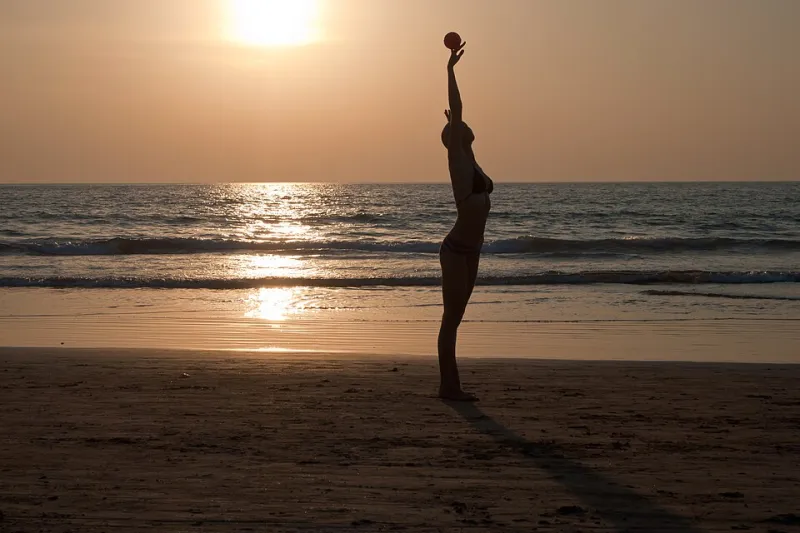
Photo: Vyacheslav Argenberg, CC BY 4.0, via Wikimedia Commons
Let's say you get the shortcut. You land on a massive platform, you tap into someone else's community, you ride the wave of a trend that already has ten million people paying attention. The numbers look incredible. The notifications won't stop. For a minute — maybe a long minute — it feels like you made it.
Then the trend fades. The platform shifts its algorithm. The borrowed crowd moves on to whoever's next. And you're standing in a room that was full last week, wondering where everybody went.
This isn't a hypothetical. It's the story of a whole lot of artists who confused inherited attention with a real audience. And understanding the difference between the two might be the most important thing you do for your creative career.
What It Actually Means to Inherit an Audience
Inheriting an audience isn't inherently wrong. Collaborations, features, viral moments, trend-hopping — these are tools, and smart artists use tools. But there's a distinction between using a wave to paddle out further and mistaking the wave for the ocean.
When you inherit an audience, you're borrowing someone else's context. Those people showed up because of a trend, a meme format, a popular creator, a platform's push — not because of you. They don't know your story. They haven't been with you through the awkward early stuff. They have no emotional investment in where you're going next.
That's not their fault. It's just the nature of how they arrived.
The problem comes when artists start building their entire strategy around keeping that borrowed crowd happy. You start making work for people who were never really yours to begin with, and somewhere in that process, you lose the thread of what made you interesting in the first place.
The Slow Build Is Actually the Strong Build
Here's what nobody tells you when you're starting out: the people who find you early, when you're small and unpolished and still figuring it out, are doing something remarkable. They're choosing you before there's a consensus. Before the algorithm validates you. Before the press covers you. Before anyone told them they were supposed to care.
That choice is meaningful. It creates a relationship that's genuinely hard to replicate.
Artists who build from scratch — who grind through the years of ten-person shows, three-hundred-follower accounts, and emails that go unanswered — tend to develop something that inherited-audience artists often struggle to find: loyalty with context. Their fans aren't just fans. They're witnesses. They watched the thing become the thing, and that shared history creates a bond that no viral moment can manufacture.
Think about the artists you're most devoted to. Chances are, at least one of them you found before they were everywhere. You told your friends about them. You felt like you discovered something. That feeling? That's what a built audience generates — and it runs in both directions. The artist feels it too.
Why Resilience Lives in the Earned Crowd
The music industry, the visual art world, the performance space — all of it goes through cycles. Platforms rise and fall. Genres have moments and then don't. What survives those cycles is almost always the artist who built something real underneath the noise.
When Spotify tweaks its discovery algorithm, the artist with a devoted newsletter list barely flinches. When TikTok changes what it promotes, the performer who spent five years building a local live following still has a full room on Friday nights. When a trend dies, the creator who was never really riding it just keeps doing the work.
Resilience isn't a personality trait for artists. It's a structural thing. It's built into the foundation of how you grew. And foundations made of real relationships hold up a whole lot better than ones made of borrowed momentum.
The Trap of Optimizing for the Wrong Room
One of the quieter ways this plays out is in the creative decisions artists make when they're chasing inherited attention. You start asking what the existing crowd wants instead of what you actually have to say. You file down the strange edges of your work because those edges might not land with people who don't really know you yet. You make things that are easier to consume rather than things that are harder to forget.
And slowly, without realizing it, you've optimized yourself out of your own vision.
The artists who build their own audiences from the ground up don't have that luxury — and it turns out the constraint is a gift. When you have nobody to impress yet, you make things for yourself and for the small handful of people who've been paying attention. You take risks because the downside is small. You get weird because there's no legacy audience to protect. That freedom is where the best work comes from.
Building Yours: What That Actually Looks Like
So what does it look like in practice to build an audience rather than inherit one? It's less glamorous than most advice makes it sound.
It looks like showing up consistently enough that people start to expect you. It looks like making work that has a point of view specific enough to turn some people off — because that same specificity is what turns the right people on. It looks like engaging with the small community you have as if they're the large one you want, because how you treat ten people is how you'll treat ten thousand.
It looks like resisting the temptation to chase every trend and instead asking: does this connect to what I'm actually building? Sometimes the answer is yes and you run at it. But often the answer is no, and the discipline to say no is what keeps your work coherent over the long haul.
It looks like patience that doesn't feel passive — the kind of patience that still has you in the studio at midnight, still sending the pitch, still doing the show even when it's a Tuesday and the crowd is small.
The Room You Actually Want
There's a version of success in the creative world that's loud and fast and looks incredible from the outside. And then there's the version where you walk into a room and every single person in it chose to be there for you — not for the trend you surfed, not for the platform that pushed you, not because someone told them to.
That second room is harder to fill. It takes longer. It doesn't photograph as dramatically.
But it stays full. And the people in it are the ones who'll still be there ten years from now, telling whoever will listen that they knew about you before everyone else did.
Build that room. It's the only one worth having.