Stop Chasing the Spark: Why Your Creativity Needs You to Do Absolutely Nothing
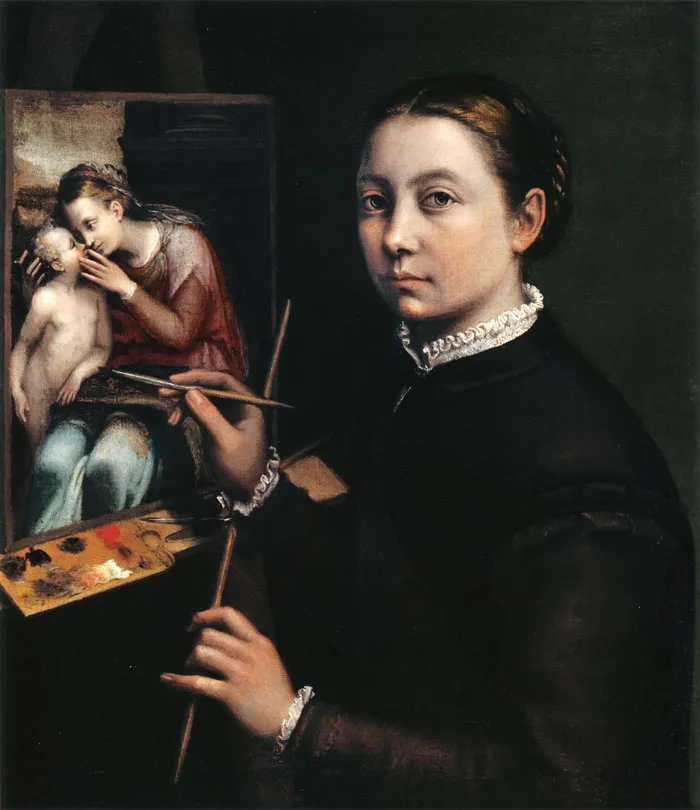
Photo: artist daydreaming relaxing by window natural light creative rest, via www.boredpanda.com
Here's a thing nobody in the creative hustle space wants to admit: the muse doesn't respond to pressure. You can't summon a breakthrough by working harder. You can't schedule inspiration the way you schedule a Zoom call. And yet, somewhere along the way, a whole generation of artists got sold the idea that relentless output is the same thing as creative vitality. It isn't. Not even close.
Some of the most transformative ideas in art, music, literature, and performance didn't arrive during crunch time. They arrived in the in-between spaces — the long drives, the aimless afternoons, the half-asleep moments when your brain finally stopped clenching. If you've been burning yourself out trying to force the work and wondering why it feels hollow, this might be the permission slip you didn't know you needed.
Your Brain Is Doing the Most When You Think It's Doing Nothing
Neuroscience has been quietly making the case for creative rest for years. There's a network in the brain called the default mode network — it activates not when you're focused on a task, but when you're daydreaming, spacing out, or letting your mind wander. For a long time, researchers assumed this was basically the brain idling. Turns out, it's anything but.
The default mode network is where your mind makes unexpected connections — between a melody you heard three weeks ago and the emotional arc of a piece you're developing right now, between a conversation you had at a diner and the visual language you've been trying to find for a new body of work. It's the brain's background processor, and it only really runs when you get out of the way.
Forced focus, deadline panic, and the constant scroll of social media all interrupt that process. Every notification is a little hijack. Every productivity hack that keeps you locked in output mode is, paradoxically, stealing from your creative reserves.
Boredom Isn't the Enemy — It's the Incubator
We've collectively declared war on boredom. There's always a podcast, a playlist, a feed to scroll, a reel to consume. But boredom — real, uncomfortable, nothing-to-do boredom — is one of the most generative states an artist can inhabit.
Think about the last time you were genuinely bored. Not distracted-bored, but truly without stimulation. If you're under 35, you might have to reach back to childhood for that memory. Maybe you were stuck on a long car trip with nothing but the highway and your own thoughts. Maybe you were waiting somewhere with a dead phone. What happened in your mind during that time?
For most people, something interesting starts to emerge. The mind, denied its usual inputs, begins to generate. It plays. It wanders into strange territory. It starts asking questions nobody assigned it. That's not wasted time. That's the creative mind doing exactly what it was built to do.
Artists who understand this don't just tolerate boredom — they design for it. They take walks without headphones. They sit at coffee shops without opening a laptop. They drive without a podcast. These aren't acts of laziness. They're acts of creative maintenance.
The Hustle Myth and What It's Actually Costing You
Hustle culture in the creative industries is particularly insidious because it masquerades as passion. "I love what I do, so I never stop doing it." That sounds noble until you're three years in, creatively depleted, producing work that technically checks all the boxes but feels like it was made by someone going through the motions.
The artists who sustain long, vital careers — the ones whose work keeps evolving, surprising people, and surprising themselves — almost universally talk about the importance of stepping away. Not quitting. Stepping away. There's a difference between abandonment and strategic distance.
When you're too close to the work, you can't see it. When you're too deep in the doing, you lose the perspective that makes the doing meaningful. Rest isn't a reward you earn after you've finished everything on your list. It's a condition your creativity requires to function.
Designing a Life Where Inspiration Can Actually Land
So what does this look like practically? It's not about doing less work — it's about creating the conditions where your best work can find you.
Protect unscheduled time. Not "free time" that fills up with errands and admin and passive scrolling, but genuinely open, unstructured time where nothing is expected of you. Even an hour a week where you have no agenda is more valuable than it sounds.
Move your body without a goal. Walking, swimming, stretching — physical movement that doesn't require mental focus has a well-documented effect on creative thinking. Some of the most famous breakthroughs in artistic history came mid-walk. There's a reason so many writers swear by their morning walks.
Let yourself be bored on purpose. Sit somewhere without your phone. Take a longer route. Eat lunch without a screen. These micro-moments of boredom accumulate into something real over time.
Sleep like your art depends on it — because it does. Sleep is when your brain consolidates memory, makes emotional connections, and does a significant portion of its most interesting processing. Cutting sleep to get more hours in the studio is one of the worst trades a creative person can make.
Stop treating every idle moment as wasted. The artist staring out the window isn't slacking. They're working in the only way that particular kind of work can happen.
What You're Really Protecting When You Rest
At the end of the day, this isn't really about productivity optimization or biohacking your creativity. It's about something more fundamental: respecting the nature of the creative process enough to stop forcing it into a shape it was never meant to hold.
Your artistic vision — the thing that makes your work yours and not anyone else's — doesn't emerge from grinding. It emerges from living. From noticing. From having enough mental space that the strange, specific, irreplaceable observations that only you can make actually have room to surface.
The muse, to borrow the old metaphor, doesn't clock in on a schedule. She shows up when you've stopped white-knuckling the process and left the door open. Your job isn't to chase her. Your job is to make your life the kind of place she'd actually want to visit.
So maybe the most radical thing you can do for your art right now isn't another late night in the studio. Maybe it's an afternoon where you deliberately, intentionally, unapologetically do nothing at all.
See what shows up.