Your Real Fanbase Was Never the Big Number
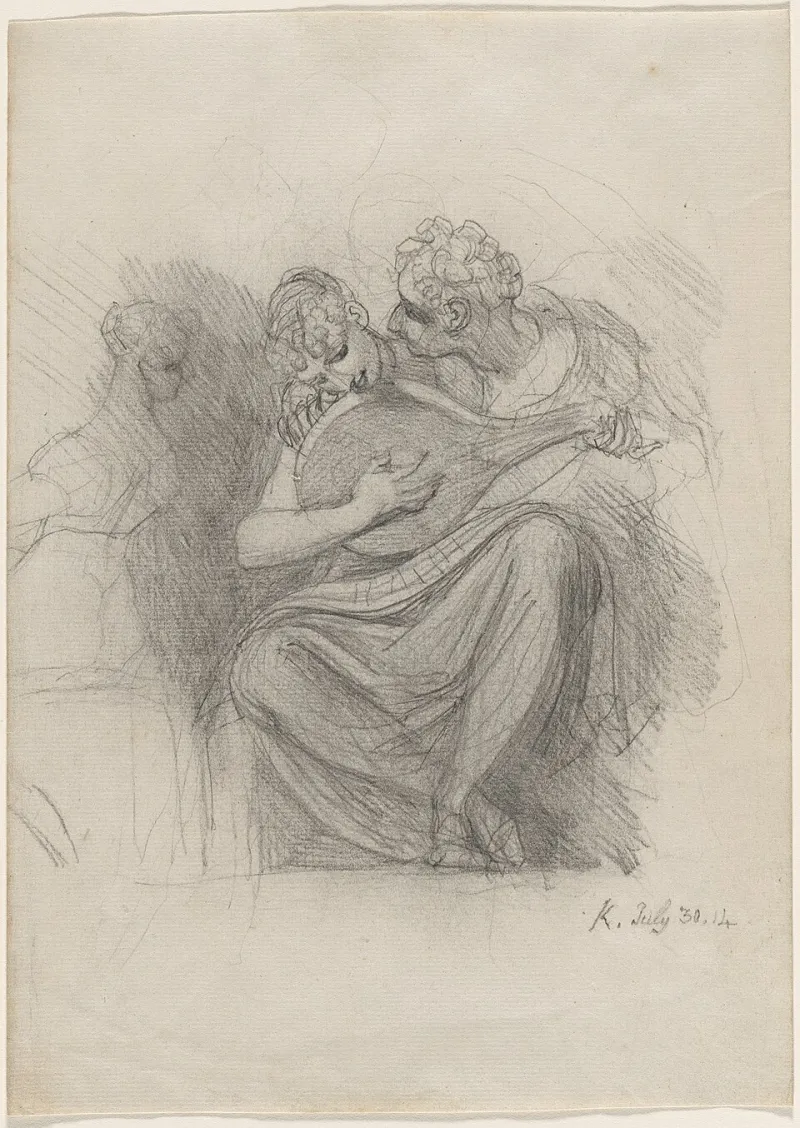
Photo: Henry Fuseli, CC0, via Wikimedia Commons
The Myth of the Massive Audience
There's a story we've all been told about what success looks like for a creative person. It involves numbers — big, impressive, screenshot-worthy numbers. Followers, streams, views, shares. And somewhere along the way, a lot of talented artists started treating those numbers like the actual goal, not just a possible byproduct of doing meaningful work.
Here's what nobody puts on the highlight reel: most artists who chase scale end up feeling emptier than when they started. Because scale is a relationship with a metric, not with a human being. And human beings — real ones, the kind who show up for you across years and platform shifts and creative pivots — are what actually sustain a career.
The artists building something durable right now aren't doing it by broadcasting into the void and hoping the algorithm smiles at them. They're doing it by going deep instead of wide.
What It Actually Means to Build in Private
Building in private doesn't mean hiding. It means choosing intimacy over performance. It means sending the email newsletter that reads like a letter instead of a press release. It means talking to the fifty people who show up to your small venue like they're the only fifty people in the world — because in that moment, they are.
Think about the artists in your own life who have genuinely earned your loyalty. Chances are, it wasn't because they had the biggest platform. It was because at some point, they made you feel seen. Maybe it was a lyric that felt like it was written specifically for your life. Maybe it was a behind-the-scenes video where they were visibly struggling and honest about it. Maybe it was just the fact that they replied to your comment like a person, not a brand.
That's the thing about genuine connection — it doesn't scale in the traditional sense, but it compounds. The person who feels genuinely seen by an artist doesn't just stay a fan. They become an evangelist. They tell their friends. They buy the thing without needing a discount code. They follow you off one platform and onto the next when the algorithm stops cooperating.
The Loyalty Math Nobody Talks About
Here's a comparison worth sitting with. Artist A has 200,000 followers and a 0.5% engagement rate. Artist B has 4,000 followers and a 22% engagement rate. Who has the more sustainable career?
On paper, Artist A looks like the win. But Artist B has a core group of nearly a thousand people who are genuinely invested. Those people are talking. Those people are converting. Those people are the reason Artist B can announce a tour, a project, a crowdfund — and actually make it work.
We've been trained to read the scoreboard wrong. Reach is seductive because it's visible. Depth is harder to quantify, so we undervalue it. But depth is what keeps the lights on when the trends shift.
And they always shift.
Consistent, Authentic Communication Is the Whole Strategy
This is the part that sounds boring but is genuinely the work: showing up consistently, in a voice that's actually yours, in spaces where real conversation can happen.
For some artists, that looks like a Substack where they write honestly about the creative process — the frustrations, the weird detours, the stuff that didn't land. For others, it's a Discord server or a Patreon where the community feels like a room rather than an audience. Some artists do it through live events, small ones, where they stick around after to actually talk to people.
The medium matters less than the intention. The question to ask yourself is: am I broadcasting, or am I connecting? Broadcasting is one-directional. Connection requires you to actually receive something back — feedback, questions, presence. It requires you to be a person, not just a content source.
This is harder than it sounds, especially when the pressure to perform is constant. But it's also where the good stuff lives. The relationships you build through genuine, ongoing communication are the ones that survive every platform implosion, every cultural moment that passes, every stretch of time when you're not producing anything new.
Why the Small Room Is the Foundation
Every artist who has built something lasting started in a small room — literally or figuratively. The audience that was there at the beginning, when there was no hype and no guarantee, is the most important audience you'll ever have. Not because they were first, but because they chose you before it was easy or obvious to do so.
Protecting that relationship is a creative act. It means not letting success (or the pursuit of it) turn you into someone unrecognizable. It means staying in communication even when you have nothing to promote. It means treating your most loyal supporters like collaborators in your vision rather than consumers of your product.
This isn't nostalgia for smallness. It's an argument for roots. A tree with shallow roots falls in the first bad storm, no matter how tall it grows. The artists who weather the hard seasons — and every career has them — are the ones who invested in depth early and kept investing.
Start Where You Are
If you're reading this and feeling like your numbers are too small to matter, that's actually the best news. You're not behind — you're at the beginning of something that can be built right.
Take stock of who is actually showing up for you right now. Not the passive followers, but the people who engage, who respond, who share without being asked. Those people are your foundation. Treat them accordingly. Write to them directly. Thank them by name when you can. Let them into the process, not just the finished product.
The big audience, if it ever comes, will be built on top of this foundation. And if it doesn't come in the way you imagined, you'll still have something real — a community of people who genuinely care about what you make, who will be there for the next project and the one after that.
That's not a consolation prize. That's the whole point.