The Side Door Is Where the Real Ones Come In
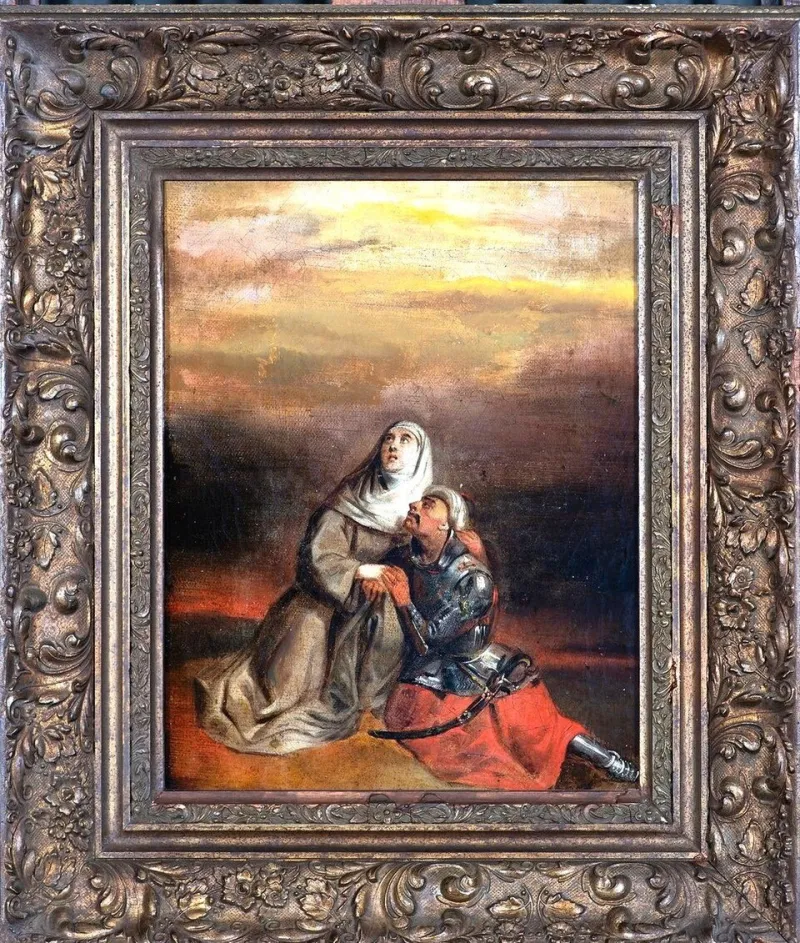
Photo: Workshop of Frans Francken II (1581–1642), CC BY-SA 4.0, via Wikimedia Commons
There's a version of success that looks incredible from the outside. Thousands of followers. A packed venue. A post that finally hit. And there's another version that doesn't photograph as well — a group chat full of people who've been with you since the beginning, an email list that actually opens your stuff, a workshop where twelve people showed up and every single one of them left changed.
Most artists are taught to chase the first version. But the ones who last tend to quietly build the second one at the same time.
What We Mean When We Say 'The Margins'
The margins aren't where your career goes to die. They're where it actually lives.
We're talking about the spaces that exist just outside your main broadcast — the newsletter you send to 400 people who chose to be there, the studio open house where someone spent two hours asking questions about your process, the Patreon tier where your most engaged supporters get an unedited voice memo every week. These aren't consolation prizes for not going viral. They're a completely different kind of relationship.
Broadcast attention is borrowed. Someone scrolled past your content, the algorithm served it up, and for a moment you had their eyes. That's real, and it matters. But margin attention is given. Those people made a choice — sometimes a small one, sometimes a significant one — to step closer. That choice creates a different kind of bond.
The Economics of Depth vs. Width
Here's something worth sitting with: a thousand casual followers will not show up for you the way a hundred invested ones will.
Invested supporters pre-order your work. They tell their friends with actual conviction. They travel for your shows. They defend you in comment sections when you don't even know it's happening. They buy the thing that isn't the most popular thing because they understand the whole arc of what you're making.
This isn't a revolutionary insight — it's basically Kevin Kelly's old "1,000 True Fans" idea reframed for how we actually live now. But the way artists apply it (or don't) is still surprisingly uneven. A lot of creatives put enormous energy into platforms designed for width — reach, impressions, follower counts — and almost no structural energy into building depth.
Depth requires different tools. It requires slower, more intentional communication. It requires letting people in a little — not performing vulnerability, but actually sharing process, doubt, and direction. It requires creating spaces where your audience isn't just consuming but participating in some real way.
The Channels That Actually Build It
So what does this look like practically? A few things that consistently show up in the creative careers that seem to weather every platform shift and industry disruption:
Email lists, still and forever. There's a reason every serious creative professional you admire eventually talks about their newsletter. It's not nostalgia — it's that email is one of the last places where you own the relationship. Nobody's algorithm decides if your message gets through. You write it, they get it, they choose to stay or go. That's a clean dynamic.
Intimate events and workshops. Whether it's a small ticketed performance, a studio visit series, or a skills workshop that's genuinely about teaching, these experiences create memories. And memories create loyalty that passive content consumption just can't manufacture. If someone spent a Saturday afternoon learning something from you in a room with fifteen other people, you're part of their story now.
Direct conversation. This one makes some artists nervous because it doesn't scale. But responding thoughtfully to someone who reached out about your work — not just liking their comment, but actually engaging — lands differently than anything you can broadcast. It's one of the clearest signals you can send that someone's attention actually matters to you.
Tiered access and behind-the-scenes content. Platforms like Patreon, Substack, and even a well-structured Discord let you create layers. The outer layer is public and broad. The inner layer is reserved for people who opted in more deeply. What you put in that inner layer doesn't have to be more polished — it can actually be less polished, more raw, more honest. That's the whole point.
How This Changes Your Decision-Making
When you start treating your margin audience as your actual core, something interesting happens to how you make creative decisions.
You stop optimizing entirely for the crowd that isn't there yet and start making things that deepen the relationship with the people who already showed up. That shift sounds small, but it changes what you make, how you talk about it, and what you're willing to risk.
Artists who are always performing for a hypothetical massive audience tend to sand down the edges. They make safer choices, softer statements, cleaner aesthetics — because they're trying to be legible to everyone. Artists who are making things for a real, specific, invested community can afford to be stranger, more specific, more fully themselves. And paradoxically, that specificity is often what eventually draws the bigger audience anyway.
Your margin people are also your best feedback loop. They're not passive consumers — they're participants. They'll tell you what landed, what confused them, what they want more of. That information is worth more than any analytics dashboard.
The Loyalty That Outlasts the Algorithm
Platforms will keep changing. They already have, over and over. The artists who built their whole presence on a single platform's logic have had to start over more than once. The ones who invested in relationships — real ones, even small ones — carried those relationships through every transition.
That's not a guarantee of anything. Nothing in a creative career is. But there's a meaningful difference between an audience that found you once and an audience that keeps choosing you. The second group is built in the margins, in the quiet channels, in the spaces where the transaction is something more than a scroll.
So yeah — keep working the main stage. Show up where the crowd is. But don't let the side door go unattended. That's where the real ones come in, and those are the people your whole creative economy might one day rest on.